


Metal vs. Wood Outdoor Chairs: Comparing Total Cost

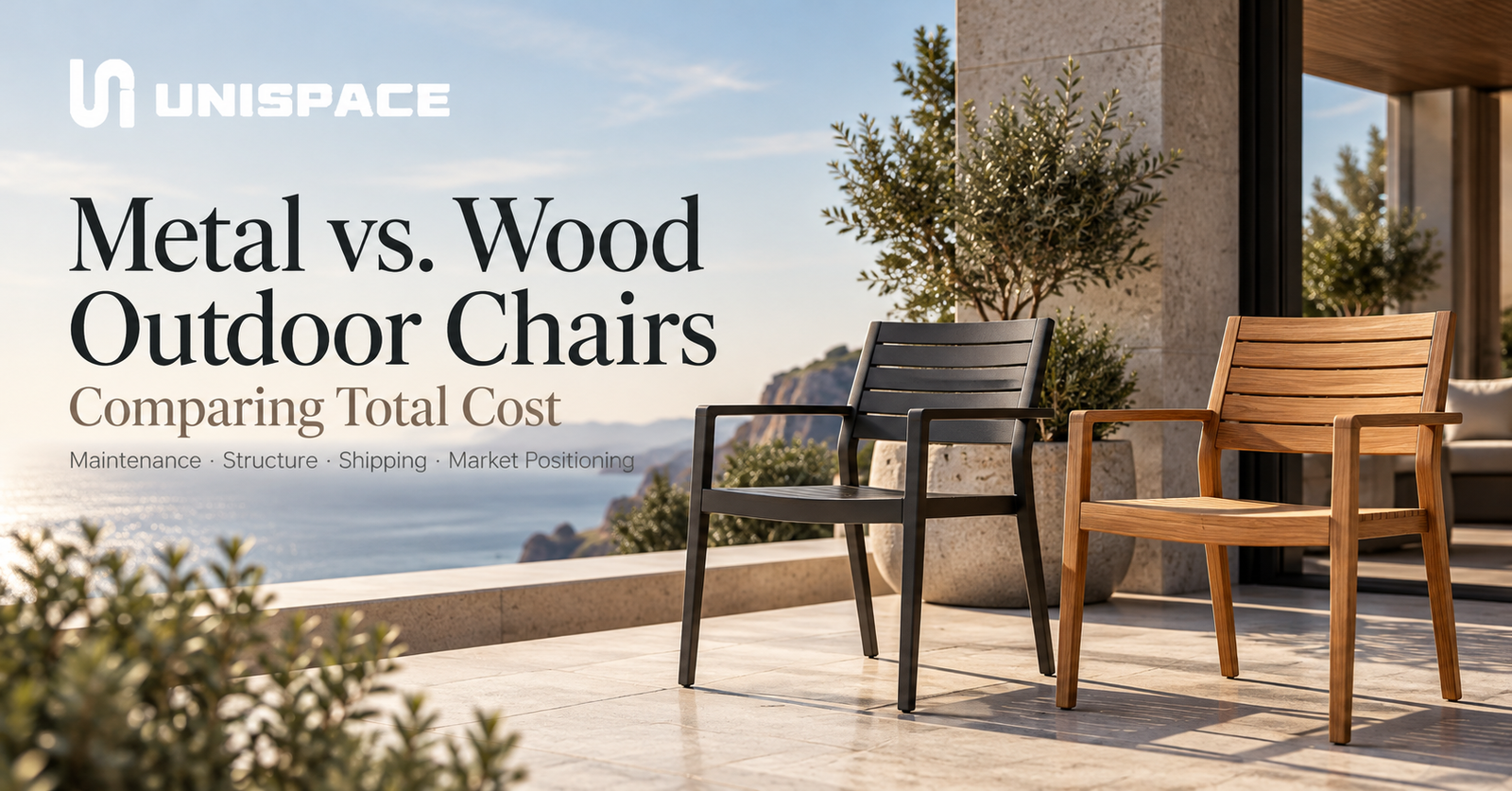
For importers, retailers, and outdoor furniture brands, comparing metal vs wood outdoor chairs involves more than checking factory quotations. The material that looks more affordable at the purchasing stage may not deliver the lowest cost after transportation, maintenance, product returns, and replacement are considered.
Metal and wood offer different advantages in appearance, manufacturing, durability, and market positioning. Neither material is automatically more economical. The more useful question is which material delivers the best overall value for the intended market, design, and service conditions.
01Purchase Price vs. Total Cost

When sourcing wholesale outdoor chairs, the factory price is usually the first number buyers compare. Yet two chairs with similar quotations can have very different cost structures. A powder-coated steel chair involves tube cutting, bending, welding, surface preparation, coating, and assembly. A wooden chair may involve timber selection, moisture control, machining, joinery, sanding, finishing, and assembly.
Even within the same material category, costs vary. For steel, tube diameter, wall thickness, weld complexity, coating specifications, and production volume matter. For aluminum, alloy, profiles, fabrication methods, and surface treatment matter. For wood, species, grade, material yield, moisture content, joinery, and finishing all affect price.
A simple steel chair can be price-competitive, while an elaborate metal design may involve substantial labor. Likewise, a basic wooden chair should not be compared directly with a premium teak chair. The meaningful comparison is the total cost of bringing the right product to market and supporting it through its service life.
02Maintenance and Long-Term Performance
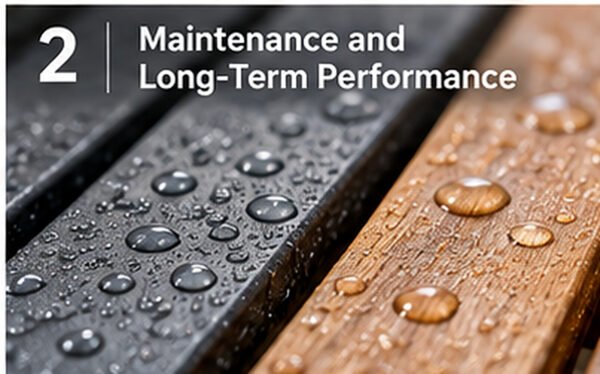
Maintenance is one of the most significant differences between metal and wooden outdoor chairs. Powder-coated steel and aluminum are often chosen for relatively straightforward routine cleaning. But metal furniture is not automatically maintenance-free.
Metal Outdoor Chairs: Coating Quality Matters
For steel frames, long-term corrosion resistance depends on suitable surface preparation, coating selection, protection at welds and edges, drainage, exposure conditions, and regular care. A poorly prepared frame may suffer coating failure even when it looks satisfactory at delivery. Aluminum naturally forms a protective oxide film, but can still corrode in certain chloride-rich conditions.
Wooden Outdoor Chairs: Species and Finish Matter
Wood responds to moisture, temperature variation, and sunlight. Durable hardwoods such as teak have natural advantages, while other species may need more protective finishing and maintenance. Depending on the material and desired appearance, care may include cleaning, oiling, refinishing, or replacement of damaged components.
Natural weathering is not necessarily structural failure. Some customers welcome a weathered appearance; others expect the original color and finish to remain consistent. For commercial settings, labor, downtime, and maintenance access can affect the total cost significantly. The key question is how much maintenance the end user is prepared to accept.
03Structural Design and Manufacturing

The durability of an outdoor chair depends on more than its base material. Frame geometry, load paths, joint design, connection methods, manufacturing consistency, and expected service loads all influence performance.
Metal Frames: Flexible Design and Repeatability
Metal tubes can be cut, bent, and joined into many chair geometries. For manufacturers, tube diameter, wall thickness, bend radius, weld placement, and assembly strategy influence both performance and cost. An efficient frame meets the necessary strength requirements without using unnecessary material.
Increasing the steel tube wall thickness does not automatically solve a weak connection. It may simply add weight and expense. The better approach is to review the load path, joint design, stiffness requirements, and manufacturability together.
Wooden Frames: Joinery and Dimensional Stability
Wooden structures require attention to grain direction, moisture content, joint geometry, and fastening. As wood gains and loses moisture, its dimensions change. Connections should therefore be designed for the expected climate and exposure conditions. Good timber selection and production control are essential to consistent results.
For either material, the lowest-cost frame is only valuable if it remains safe, stable, and reliable. Buyers should examine the full construction rather than rely on a generic material description.
04Weight, Packaging, and Shipping Efficiency

For international buyers, shipping can significantly change the landed cost. Metal is not always heavier than wood: steel is much denser than aluminum, while timber weight varies by species and design. A finished chair’s measured weight is more useful than a general assumption about its material.
Packaging Can Change the Economics
Consider a fully assembled chair in a large carton and a structurally suitable knock-down chair packed more compactly. The knock-down model may require additional connectors and assembly work, but can offer better container utilization. In volume-limited shipments, lower carton volume may reduce freight allocated to each unit.
Knock-down packaging is not automatically better. Assembly labor, hardware quality, user instructions, damage protection, and joint reliability must also be considered. Stackable products offer another way to improve handling and storage efficiency.
- Finished chair weight and carton dimensions
- Units per carton and per container
- Assembly, handling, and protective packaging
- Shipping-damage risks and replacement costs
05Market Acceptance and Product Positioning
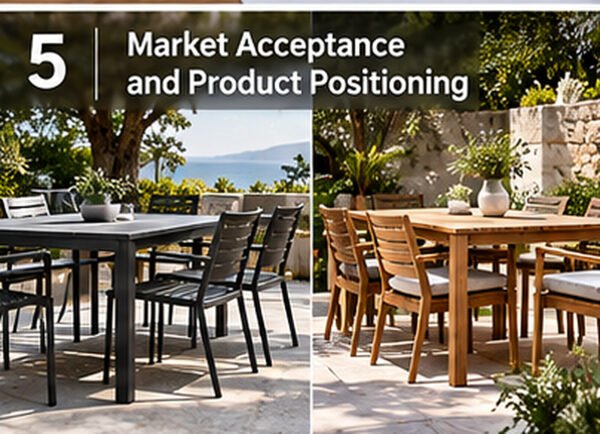
Cost efficiency only creates value when the chair fits the expectations of its target buyers. Metal and wood communicate different visual and functional qualities, and neither has a universal market advantage.
Metal: Contemporary and Consistent
Metal frames suit a wide variety of styles, from minimal tubular forms to more decorative constructions. Powder coating supports repeatable colors and finishes across coordinated furniture collections. For certain commercial applications, stackability, cleanability, and replacement consistency are valuable purchasing considerations.
Wood: Natural Character and Material Value
Wood offers grain, texture, and warmth that painted metal may not fully reproduce. It can be suitable for natural-material collections, traditional garden furniture, and premium outdoor living concepts. A higher-priced timber chair may be commercially appropriate when that material story supports the brand’s positioning and the customer’s willingness to pay.
A practical market review should ask: What retail price range is targeted? Do customers prefer natural appearance or lower maintenance? Is the chair for residential or commercial use? How important are weight and storage? What materials dominate competing collections in the intended sales channel?
06A Practical Total Cost Comparison

A practical total-cost-of-ownership model begins with more than unit purchase price. For importers and brands, a useful working formula is:
Total Cost = Purchase + Logistics + Maintenance + Quality-Related Costs + Replacement
Depending on the business model, warehousing, assembly, warranty support, customer returns, and capital tied up in inventory may also matter. For a fair comparison, request equivalent sizes, performance standards, packaging details, and service conditions.
| Factor | Metal | Wood |
|---|---|---|
| Initial cost | Metal type, frame complexity and coating | Wood species, grade and joinery |
| Maintenance | Coating condition and corrosion control | Timber and finish care |
| Structure | Tube geometry, welds, joints | Grain, moisture, joinery |
| Weight | Steel can be heavy; aluminum lighter | Highly species/design dependent |
| Shipping | Stackable / KD opportunities | Depends on construction |
| Positioning | Contemporary and commercial | Natural and premium appeal |
The table is a decision framework, not a guarantee that one material always costs less. Buyers should use project-specific factory quotations, container-loading data, and documented quality requirements to build the actual cost comparison.
07How to Choose the Right Material
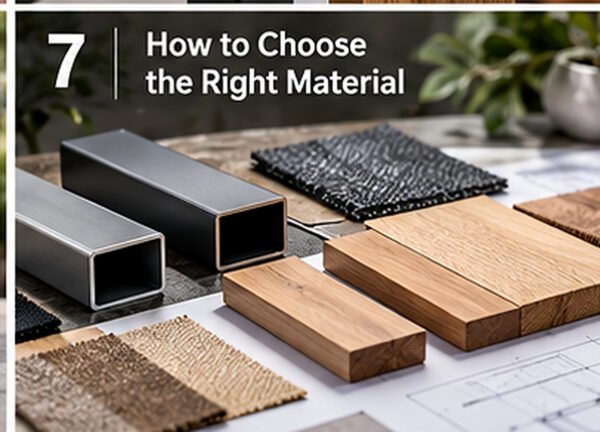
Material choice should begin with application, customer expectations, and channel positioning rather than simply with a supplier’s available machinery. Three common sourcing scenarios illustrate the trade-offs.
Value-Oriented Residential Collections
Powder-coated steel may be competitive when the frame is efficiently engineered, production volumes are suitable, coating quality is controlled, and packaging has been optimized. The goal is balanced design, performance, and manufacturing cost.
Lightweight Outdoor Collections
Aluminum deserves consideration when frequent movement or lower product weight is important. Buyers should still confirm alloy and profile specifications, joint design, finishing, and fabrication costs. Lower weight alone does not ensure a lower landed price.
Premium Natural-Material Collections
Appropriate hardwoods can support collections built around natural appearance. Buyers should verify timber origin, grade, durability, finishing, and appearance-change expectations. Where certified wood is claimed, relevant documents and chain-of-custody requirements should be checked.
Metal-and-wood combinations are another possibility, but they require careful attention to different material movements, connection design, and quality consistency. The best solution balances design intent, target price, expected conditions, and production reliability.
08Frequently Asked Questions
Are metal outdoor chairs cheaper than wooden chairs?
Not always. Powder-coated steel can be cost-competitive for some designs, while complex metal fabrication can be expensive. Wood prices also vary widely by timber species, grade, and finish.
Which material needs less outdoor maintenance?
Well-finished metal furniture often needs relatively simple routine care, provided the coating and corrosion protection remain effective. Wooden furniture needs different levels of care depending on its species, finish, exposure, and desired appearance.
Are wooden outdoor chairs more durable than metal chairs?
No universal answer exists. Quality hardwood construction can last well, and a correctly engineered, protected metal frame can also perform reliably. Compare construction quality and the actual service environment.
Which material is better for wholesale outdoor chair orders?
Evaluate target retail price, aesthetics, maintenance expectations, product weight, shipping configuration, and supplier capabilities. Compare complete product specifications rather than material labels.
Conclusion: Compare Value, Not Just Material Price
When comparing metal vs wood outdoor chairs, the lowest factory price should not be the only criterion. Maintenance, structural design, packaging efficiency, market acceptance, and quality-related costs can all affect the true total cost. For brands and importers, the strongest material strategy aligns product specifications with the needs of a clearly defined market.
At UNISPACE, we focus on metal-framed outdoor furniture manufacturing, from frame development and fabrication to surface finishing and export-oriented packaging. Good product development starts with how a chair will be manufactured, transported, sold, and used—not simply how it looks in a photograph.
Discuss Your Material Positioning
If you are developing a new outdoor seating collection, we welcome discussions about metal frame options, structural design, coating requirements, and packaging solutions for your target market.