


Surface Finishing for Metal Furniture: A Practical Guide from a Manufacturer’s Perspective

Why surface finishing matters more than “color”
- Corrosion resistance (especially outdoors, coastal areas, and humid climates)
- Adhesion and durability (peeling, chipping, edge protection)
- Touch and appearance stability (gloss, texture, fingerprint resistance)
- Consistency in mass production (batch-to-batch color and film performance)
The “finish system” concept: pretreatment + coating + curing
- Surface preparation (pretreatment): degreasing, rust removal, rinsing, and conversion layer (such as phosphate or zirconium). This stage is critical for adhesion and corrosion resistance.
- Coating application: powder coating, liquid paint, e-coat, galvanizing, anodizing, etc.
- Curing or sealing: proper curing forms the coating film; sealing (for example, anodizing sealing) improves stability.
Main surface finishing options for metal furniture
A) Powder Coating (Electrostatic Powder Coating)
What it is: Powder particles are electrostatically sprayed onto a grounded metal part, then baked to cure into a continuous film.
Where it fits best:
- Metal-frame outdoor furniture frames (chairs, dining sets, sofa frames)
- High-volume production where batch consistency is critical
Strengths: strong overall durability, good impact resistance, and a wide range of gloss levels and textures.
B) Liquid Paint (Wet Paint / Spray Painting)
Where it fits best:
- Small batches
- Special colors or effects (including metallic looks)
- When matching a brand’s established color system
Trade-offs: typically more sensitive to application environment (dust and humidity), and often requires more VOC management depending on the coating system.
C) E-Coat / Electrocoating (Cathodic Electrocoat)
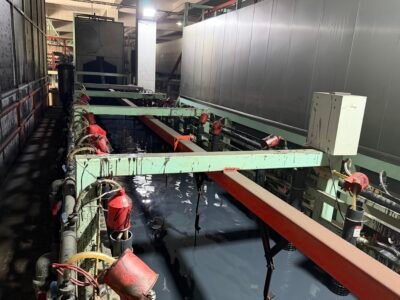
Where it fits best:
- Frames requiring strong corrosion protection
- Complex shapes or internal cavities
- As a base layer under powder or liquid topcoats
Strengths: uniform film build and excellent adhesion/corrosion performance as a primer.
D) Galvanizing (for Steel): Hot-Dip or Electro-Galvanizing
What it is: Zinc coating provides sacrificial protection to steel, helping slow corrosion.
Where it fits best:
- Steel parts used in humid or outdoor environments
- Applications prioritizing corrosion protection before decorative finishing
E) Duplex System: Galvanizing + Paint/Powder
What it is: A paint or powder topcoat applied over galvanized steel.
Why it matters: the combined protection can be significantly stronger than either system alone when properly specified and prepared.
Where it fits best:
- Outdoor furniture in coastal regions
- High-humidity zones
- Heavy-use commercial projects
Key note: surface preparation of galvanized coating is essential for adhesion and long-term performance.
F) Anodizing (for Aluminum)
What it is: An electrochemical process that converts the aluminum surface into a durable, corrosion-resistant anodic oxide finish.
Where it fits best:
- Aluminum components where metallic texture and wear resistance are valued
Key note: anodizing is not paint; it is a controlled oxide layer grown from the substrate.
G) Stainless Steel Finishing: Brushing/Polishing + Passivation
Common approach: Mechanical finish (brushed or polished) for appearance, plus passivation to improve corrosion resistance by removing free iron and promoting a protective oxide layer.
H) PVD / Decorative Coatings (Selective use)
What it is: Vacuum-based thin-film deposition for decorative and functional coatings. Outdoor suitability depends on system design, substrate, and sealing/topcoat strategy.
How we choose a finish: a practical decision framework
- Usage environment (indoor, outdoor, coastal, commercial heavy-use, chemical exposure)
- Substrate (steel vs stainless steel vs aluminum)
- Appearance target (matte vs gloss, texture, metallic look, fingerprint resistance)
- Performance requirements (corrosion level, chip resistance, abrasion, UV stability, cleaning chemicals)
- Production reality (order quantity, cost target, color variety, lead time, consistency expectations)
For outdoor furniture, we recommend system thinking rather than a single process—for example, robust pretreatment + suitable coating system + packaging protection.
Quality Control: how performance is verified
- Salt spray testing for comparative corrosion performance and process control (commonly referenced standards include ISO 9227 and ASTM B117).
- Cross-cut adhesion test (ISO 2409) for coating separation resistance.
- Process controls: surface cleanliness, film thickness, curing verification, appearance consistency, and packing protection.
Note: salt spray is widely used for comparison and process monitoring, but it is not always a direct predictor of real-life service life; results should be interpreted correctly.
Maintenance tips (to keep finishes looking new)
- Clean with mild detergent and a soft cloth; avoid aggressive solvents unless confirmed compatible.
- Rinse off salt and dust regularly in coastal environments.
- Prevent standing water in joints and contact points.
- Use protective pads to avoid metal-to-metal abrasion.