What B2B Buyers Should Know Before Ordering Powder-Coated Metal Outdoor Furniture

Powder-Coated Metal Outdoor Furniture: A Practical Buying Guide for Importers and Brands
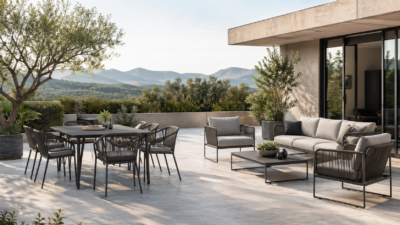
Outdoor furniture is no longer selected only by appearance. For importers, furniture brands, online sellers and hospitality project buyers, a good outdoor furniture product must offer a balance of design, strength, weather resistance, stable production quality and reasonable maintenance cost.
Among different outdoor furniture materials, powder-coated metal has become one of the most practical choices for modern outdoor spaces. It can create a clean and contemporary appearance, while also providing strong structural support and flexible color options for different markets.
However, not all powder-coated metal furniture performs the same. For B2B buyers, the real difference is often hidden in details: tube thickness, welding quality, surface pretreatment, powder coating process, packaging method and the manufacturer’s ability to control mass production.
This article shares practical buying points from a manufacturer’s perspective, helping importers and brands make better decisions before placing an OEM or wholesale order.
Table of Contents
- Why Powder-Coated Metal Outdoor Furniture Is Popular
- What Is Powder Coating?
- What B2B Buyers Should Check Before Placing an Order
- Common Problems in Low-Quality Metal Outdoor Furniture
- How a Manufacturer Helps Improve Product Durability
- Final Buying Tips for Importers, Brands and Project Buyers
- FAQ
Why Powder-Coated Metal Outdoor Furniture Is Popular
Powder-coated metal outdoor furniture is widely used in patios, gardens, balconies, cafés, restaurants, resorts and commercial outdoor spaces. Its popularity comes from a simple reason: it combines durability with a clean modern look.
Compared with many traditional outdoor furniture materials, metal frames offer better structural stability. When designed properly, metal furniture can support long-term use, frequent movement and different outdoor application scenarios.
For B2B buyers, another advantage is production flexibility. Metal tubes can be cut, bent, welded, formed and finished into different shapes. This makes metal furniture suitable for OEM and ODM projects, especially when buyers need customized sizes, colors, structures or product series.
In addition, powder coating allows brands to develop different color collections for different markets. Neutral colors, matte finishes, dark tones, warm earthy shades and wood-grain effects can all be developed according to market positioning.
For importers and brands, this means powder-coated metal outdoor furniture can be both functional and commercially flexible.
What Is Powder Coating?
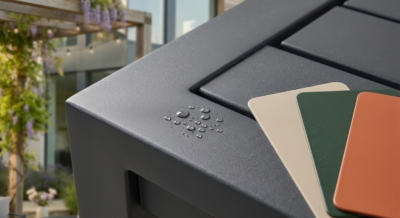
Powder coating is a surface finishing process commonly used for metal products. Unlike traditional liquid paint, powder coating uses dry powder that is electrostatically applied to the metal surface and then cured under heat to form a protective coating.
For outdoor furniture, powder coating is important because the surface finish is not only about color. It also affects corrosion resistance, scratch resistance, weather performance and the product’s overall service life.
A good powder-coated finish should be even, stable and properly bonded to the metal surface. Before coating, proper surface pretreatment is also necessary. If the metal surface is not cleaned or treated correctly, the coating may not adhere well, which can lead to peeling, rusting or uneven surface quality later.
That is why experienced manufacturers do not treat powder coating as a separate step. It must be connected with material selection, welding quality, surface preparation, coating thickness, curing control and final inspection.
What B2B Buyers Should Check Before Placing an Order
When sourcing powder-coated metal outdoor furniture, buyers should not only compare price. A very low price may look attractive at the quotation stage, but hidden quality risks can appear after shipping, assembly or outdoor use.
For importers, brands and project buyers, the following points are especially important.
1. Metal Material and Tube Thickness
The base material determines the basic strength of the furniture. Steel and aluminum are both commonly used in outdoor furniture, but they have different characteristics. Steel offers strong structural support and cost advantages, while aluminum is lighter and naturally more resistant to rust.
For steel outdoor furniture, buyers should pay attention to tube thickness, frame structure and surface protection. If the tube is too thin, the product may feel unstable or deform more easily during use.
A professional manufacturer should be able to recommend suitable material specifications according to the product type, target market, usage scenario and price positioning.
2. Frame Structure and Load-Bearing Design
Suggested image: Metal chair frame, welded tube structure, reinforced support points.
A durable outdoor furniture product depends not only on the material itself, but also on the structure. A well-designed frame can improve stability, comfort and long-term durability.
For chairs, benches, loungers and sofa sets, the stress points are different. The manufacturer should understand where the product needs reinforcement and how to balance strength with appearance.
For OEM projects, structure optimization is especially valuable. Sometimes a small adjustment in tube angle, welding position or support point can improve product stability without greatly increasing cost.
3. Welding Quality
Welding is one of the most important details in metal furniture manufacturing. Poor welding can affect both appearance and safety.
For outdoor furniture, welding points should be firm, clean and properly finished. Rough welding marks, weak joints or uneven grinding may reduce the perceived value of the product and increase the risk of quality complaints.
In mass production, welding consistency is also important. Buyers should check whether the manufacturer has stable production equipment, experienced workers and quality inspection procedures for welded frames.
4. Surface Pretreatment Before Powder Coating
Surface pretreatment is often invisible to buyers, but it has a direct influence on coating adhesion and outdoor performance.
Before powder coating, the metal surface should be cleaned and prepared properly. This step helps remove oil, dust, rust or other impurities that may affect the coating quality.
If pretreatment is not done well, even a beautiful surface finish may fail after outdoor exposure. The coating may peel, bubble or allow rust to develop from weak points.
For B2B orders, buyers should not only ask about color and finish, but also confirm how the manufacturer controls surface preparation before coating.
5. Powder Coating Thickness and Finish Options
Powder coating thickness should be suitable for the product and its application. A coating that is too thin may not provide enough protection, while an uneven coating may affect both appearance and durability.
Different markets may prefer different finishes. Some customers like matte black, dark grey or white for modern outdoor spaces. Others may prefer warm tones, textured finishes or wood-grain transfer effects to create a softer visual feeling.
For buyers developing a product series, color consistency is very important. The manufacturer should be able to control sample color, production color and repeat orders as consistently as possible.
6. Outdoor Packaging for Long-Distance Shipping
Suggested image: Packed outdoor furniture, carton protection, stacked loading or container preparation.
Packaging is often underestimated, but it is critical for export furniture. Even a well-made product can arrive with scratches, dents or coating damage if the packaging is not properly designed.
For powder-coated metal furniture, the surface needs special protection during transportation. Contact points, corners, legs, armrests and stacked areas should be carefully protected.
Export packaging should consider container loading, movement during shipping, warehouse handling and final delivery. A manufacturer with export experience can help buyers reduce damage rates and after-sales problems.
Common Problems in Low-Quality Metal Outdoor Furniture
Many quality problems in outdoor metal furniture do not appear immediately. They may appear after several months of outdoor use or after the first rainy season.
Common problems include peeling coating, visible rust, weak welding points, unstable frames, uneven color, poor grinding, sharp edges, damaged surfaces after shipping and difficult assembly.
For B2B buyers, these problems can create more than product complaints. They can also increase replacement costs, damage brand reputation and reduce customer trust in future collections.
This is why choosing a reliable manufacturer is not only about getting a good quotation. It is also about reducing hidden risks throughout the whole supply chain.
How a Manufacturer Helps Improve Product Durability
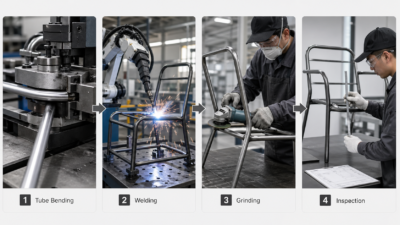
From a manufacturer’s perspective, product durability is not decided by one single step. It is the result of material control, structure design, processing accuracy, welding quality, surface treatment, inspection and packaging.
A good manufacturer should not only follow the buyer’s drawings. It should also be able to review whether the structure is suitable for mass production, whether the material specification is reasonable, whether the surface finish matches the intended use, and whether the packaging is safe for export.
For OEM and ODM outdoor furniture projects, early communication is very important. Before sampling, the buyer and manufacturer should confirm product dimensions, tube specifications, color requirements, surface finish, assembly method, packaging standard and target market expectations.
This process helps avoid unnecessary modifications after sampling and reduces the risk of problems during mass production.
At Unispace, we focus on metal frame furniture manufacturing, with experience in cutting, forming, bending, welding, grinding, surface treatment, inspection, assembly and export packaging. Our goal is to help B2B buyers develop outdoor furniture products that are practical, durable and suitable for their markets.
Final Buying Tips for Importers, Brands and Project Buyers
When choosing powder-coated metal outdoor furniture, buyers should look beyond the product photo. A beautiful design is important, but long-term value depends on structure, material, finish, production consistency and packaging.
Before placing an order, it is helpful to ask the manufacturer several practical questions: What material and tube thickness are recommended? How is the frame reinforced? How is the surface treated before powder coating? What finish options are available? How is color consistency controlled? How will the products be packed for export?
These questions can help buyers understand whether a supplier is simply quoting a price or truly capable of supporting long-term product development.
For importers and brands, a reliable outdoor furniture manufacturer should be a production partner, not just a vendor. The right partner can help improve product quality, reduce after-sales risks and build a more stable product line for the market.
FAQ
Is powder-coated metal furniture suitable for outdoor use?
Yes. Powder-coated metal furniture is widely used outdoors because it offers good durability, stable appearance and flexible color options. However, its outdoor performance depends on material selection, surface pretreatment, coating quality and proper packaging.
Is steel or aluminum better for outdoor furniture?
Both materials can be used for outdoor furniture. Steel offers strong structural support and competitive cost, while aluminum is lighter and has better natural rust resistance. The best choice depends on product design, target market, budget and usage scenario.
Can powder-coated metal furniture be customized?
Yes. Powder-coated metal furniture is suitable for OEM and ODM customization. Buyers can customize dimensions, frame structure, color, surface finish, fabric, packaging and product series according to market needs.
What causes powder coating to peel or rust?
Common causes include poor surface pretreatment, insufficient coating quality, weak adhesion, damaged coating during transportation, sharp edges, exposed welding points or unsuitable material specifications.
What should buyers confirm before placing an OEM order?
Buyers should confirm product drawings, material specifications, tube thickness, frame structure, welding requirements, surface finish, color sample, packaging method, sample approval standard and mass production inspection requirements.
Looking for a Reliable Manufacturer for Powder-Coated Metal Outdoor Furniture?
Unispace provides OEM and ODM manufacturing solutions for metal frame outdoor furniture, including outdoor chairs, dining sets, sofa sets, lounge furniture and customized metal furniture projects.
From structure optimization to surface treatment and export packaging, we help importers, brands and project buyers develop practical, durable and market-ready outdoor furniture products.
Contact us to discuss your next outdoor furniture collection.